
- Past Exhibition
- Feature Exhibitions
Splendors of Great Tokyo: “Modern” Culture that Embellished the City
- Dates
- 2020.8.25 (Tue)-2020.11.23 (Mon)
- Venue
- 5F Feature Exhibition Gallery
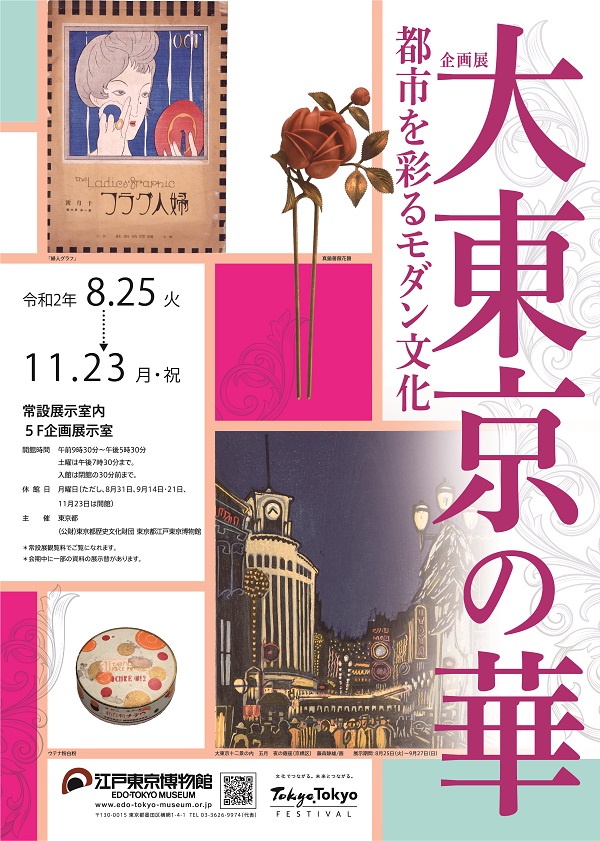
In recent years, redevelopment is underway all over Tokyo and the city’s urban landscape continues to undergo major changes, but the city of Tokyo is no stranger to transformation. In the period from the Meiji era to the Taisho era, just as Tokyo’s modern urban landscape was gradually forming, the city sustained massive damage in the Great Kanto Earthquake of 1923. However, the city of Tokyo reborn through large-scale reconstruction efforts came to be called “Great Tokyo.” What kinds of impressions of “Great Tokyo,” specifically, did people have at that time? This exhibition presents how Tokyo, which continues to evolve with the times, appeared in the Museum’s collection of prints, postcards, and photographs from the Meiji, Taisho, and Showa eras.
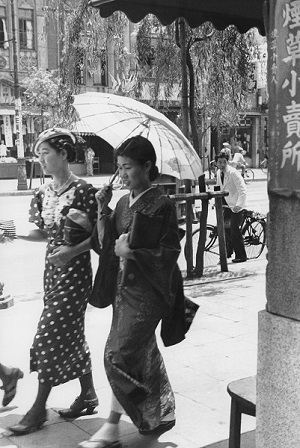
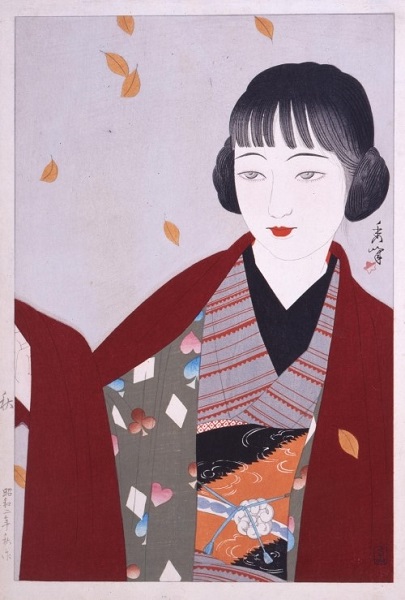
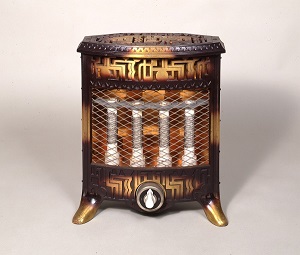
The waves of this new era brought about huge changes in the attire and lifestyles of the people of Tokyo. Especially in the 1930s, women began to enjoy a more modern urban life, as embodied by the modern girls who dressed in Western clothes and swept through the streets of Ginza. This exhibition will present items that embellished people’s lives, such as the fashions and art deco that were furniture popular at the time.
Exhibition Outline
- Dates
- 2020.8.25 (Tue)-2020.11.23 (Mon)
- Venue
- 5F Feature Exhibition Gallery
- Hours
- 9:30-17:30
※入館は閉館の30分前まで。 - Closed
- Mondays (however, exhibition will be open August 31, September 14, September 21, and November 23)
- Organized by
- 東京都、公益財団法人東京都歴史文化財団 東京都江戸東京博物館
- Outline of event
-
Exhibition period: Tuesday, August 25 to Monday, November 23, 2020 (public holiday)
Location: Edo-Tokyo Museum, Permanent Exhibition, 5th Floor Feature Exhibition Room
Phone: 03-3626-9974 (switchboard)
- 3-minute walk from West Exit of Ryogoku Station, JR Sobu Line
- 1-minute walk from A3 or A4 Exit of Ryogoku Station (Edo-Tokyo Hakubutsukan-mae), Toei Subway Oedo Line
- Toei bus: 錦27, 両28, 門33, 墨38 bus routesSumida City circulation bus “Sumida Hyakkei Sumimarukun / Sumirinchan (Southern Route)”
Get off at “Toei Ryogoku Eki-mae (Edo-Tokyo Hakubutsukan-mae)” and walk 3 minutes.
Opening hours: 9:30 am to 5:30 pm *Admission until 30 minutes before close
Days Closed: Mondays (however, exhibition will be open August 31, September 14, September 21, and November 23)
* Some exhibits may be switched out during the exhibition period.
Admission fee (incl. tax) General 600 yen University & technical school students 480 yen Junior high school students (from outside Tokyo),
high school students, those aged 65 years and older300 yen Elementary & junior high school students (from Tokyo) Free of charge *The parentheses ( ) indicate group rates for 20 or more people.
*The permanent exhibition admission fee is free in the following cases. Preschool children. Anyone who has a physical disability certificate, intellectual disability certificate, rehabilitation certificate, mental health and welfare certificate, or an official designation as an atomic bomb survivor, as well as their attending caregivers (up to two people).
*Junior high school, high school, university, and technical school students are required to present a student ID card, and those aged 65 and over are required to present proof of age (health insurance card, driver’s license, etc.).
Exhibition Structure
プロローグ 近代、東京の幕開け
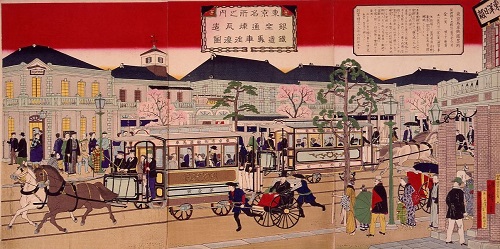
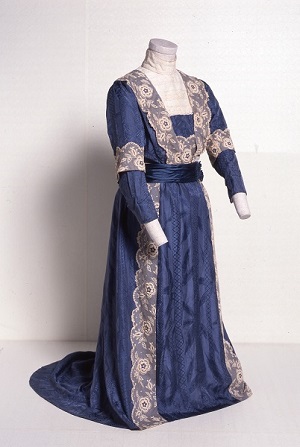
明治時代、欧米諸国との対等な関係を築くため、西洋の制度や文化が積極的に取り入れられました。東京では西洋の様式を取り入れた大規模な建築や街並みが誕生し、文明開化の象徴として人々の注目を集めました。また、上流階級の女性たちの華やかなドレス姿は、錦絵の新たな主題として頻繁に取り上げられました。
当時の人々の目に新鮮に映った、明治の東京の様子を紹介します。
第1章 ひろがる大衆文化
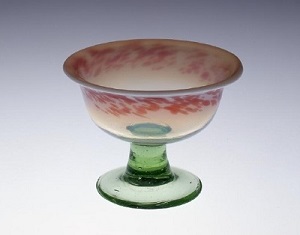
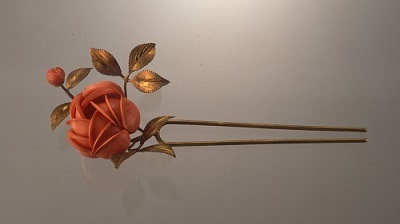
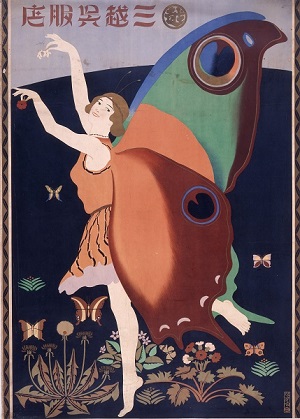
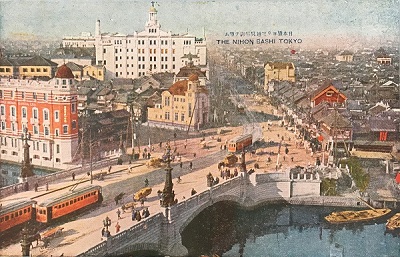
明治末から大正にかけて、西洋文化は庶民の生活の中にも徐々に取り入れられていきました。
それまでの呉服店は百貨店となり、鮮やかな広告は人々の目を惹きつけました。都市には劇場やカフェなど新しい娯楽の場が誕生し、丸の内はオフィス街として発展しました。都市の新しい姿は、帝都東京の新名所として絵葉書で盛んに紹介されました。
本章では、大衆の間で親しまれた品々を紹介します。
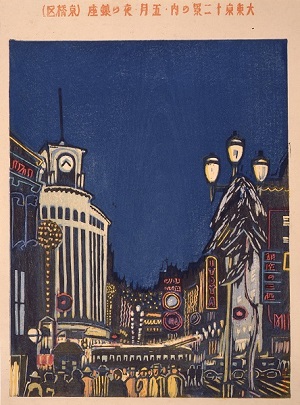
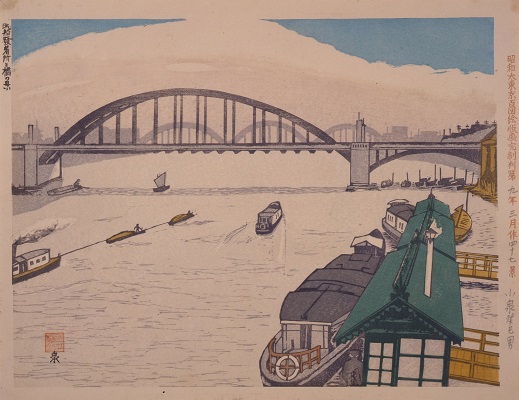
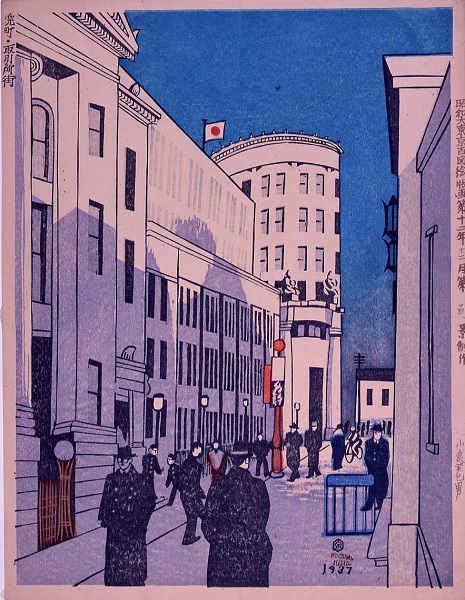
第2章 よみがえる都市、大東京
1923年(大正12)年9月1日に発生した関東大震災で、東京の街は甚大な被害を受けました。しかし、大規模な復興事業により新たな建築や公園、道路、橋などの建設が進められ、近代的な都市へと生まれ変わりました。
さらに鉄道の発達や郊外の開発も進められ、この頃から「大東京」と称されるようになります。
版画や絵葉書、写真などに写し取られた「大東京」の姿を紹介します。
第3章 華開くモダン文化
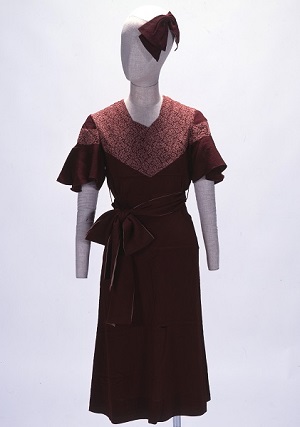
大正時代から女性の社会進出が徐々に進み、震災以降、社会で活躍する女性たちの姿が注目されるようになりました。1930年代に入ると、洋装に身を包んだ「モダンガール」と呼ばれる女性たちは、決して珍しい存在ではなくなりました。人々は自由におしゃれを楽しみ、カフェやダンスホールなど、モダンな都市生活を謳歌するようになりました。
また、当時ヨーロッパで流行したアール・デコ様式が日本でも流行し、着物の柄や様々な調度品、広告などに幅広く取り入れられました。
震災を乗り越え、賑わいを取り戻した東京。そこに集う人々に焦点を当てます。
Explanatory Video
関連事業
講演会「耳で楽しむ大東京の華―蓄音機でたどるモダン東京」
手回し式蓄音機でレコードを聴きながら、関東大震災から復興を遂げた東京の姿を、流行歌や歴史的音源とともにたどります。
【日 時】11月7日(土) 14:30~16:00(開場14:00)
【会 場】江戸東京博物館 1階 小ホール
【講 師】毛利眞人氏(音楽評論家・レコード史研究家)
【定 員】60名(座席を半分以下に制限)
【参加費】無料(ただし当日の常設展観覧券が必要です)
【参加方法】当日受付 ※整理券配布
当日13:00より1階小ホール前で整理券を配布します。
常設展観覧券を人数分ご提示ください。
※新型コロナウイルス感染拡大防止のため、内容が変更または中止となる場合があります。最新の情報をご確認の上お越しください。
【新型コロナウイルス感染拡大防止について】
- 入館時に検温を行います。37.5℃以上の発熱があると認められた際には、ご入館をご遠慮いただきます。
- 咳・咽頭痛などの症状がある方についても、ご参加をお控えください。
- マスクの常時着用、咳エチケット、手洗いや手指の消毒にご協力ください。
- 着席は会場内の指示に従い、前後・左右の間隔を空けてください。最前列はご利用いただけません。
- 会場内の会話はなるべくお控えください。
- 講演中も扉を開放し換気を行います。
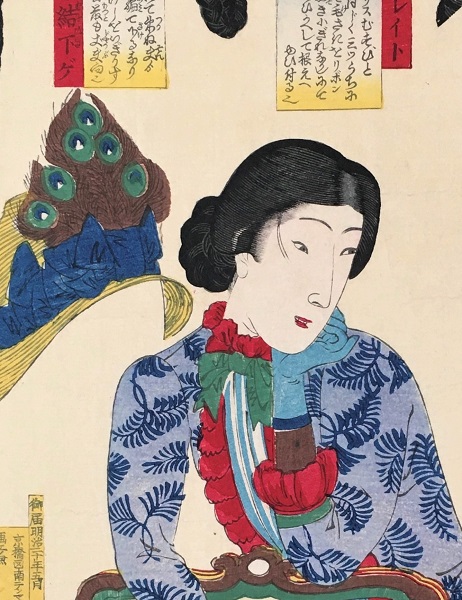
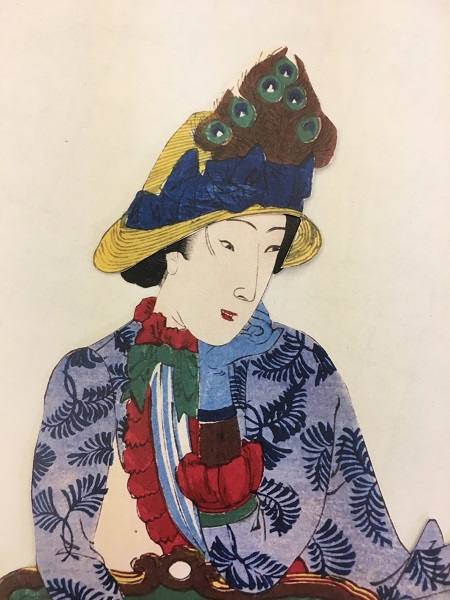
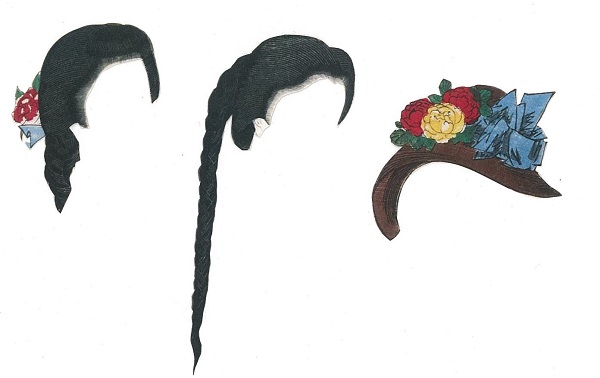
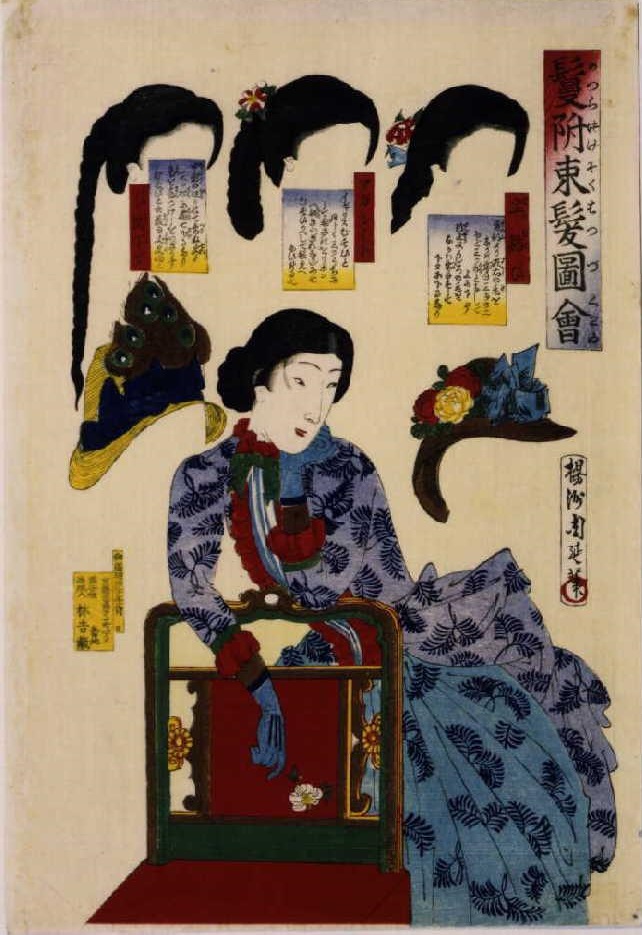
遊んでみよう「明治時代のヘアスタイル」
明治時代に新しく考え出された女性の髪型「束髪」を紹介する「鬘附束髪図会」。
髪型や帽子をハサミで切り抜き、ドレス姿の女性に付け替えて遊びます。
お気に入りのスタイルを見つけてみましょう。
ダウンロードして遊んでください。
ダウンロードはこちらから。